Having healthy digital doubt. Misinformation in the ai age
Have you noticed all the scary stories online lately about artificial intelligence and how it’s going to trick everyone with fake pictures or lies?
Yea, it can certainly be confusing to figure out what’s true in all that noise. Well, here's something surprising: some of that worrying information about AI misinformation is also inaccurate itself!
Misleading reports and tall tales often exaggerate how easy it is for AI to fool us, making problems seem way bigger than they are. Research suggests this type of meta-misinformation (misleading stuff about misinformation) can cause unnecessary confusion.
This kind of confusion can be really damaging. When we read too many over-the-top scary stories that turn out to be false, we might stop believing any warnings about real AI-generated problems. It’s like the boy who cried wolf, but for technology. Experts point out this can make people complacent, which is a fancy word for not taking something seriously enough, and less likely to learn how to spot actual fake content when it does pop up. On the flip side, some misleading info downplays real issues, making us less watchful and easier targets for deception.
Now, that’s not to say that AI isn’t a tool used for spreading untruths.
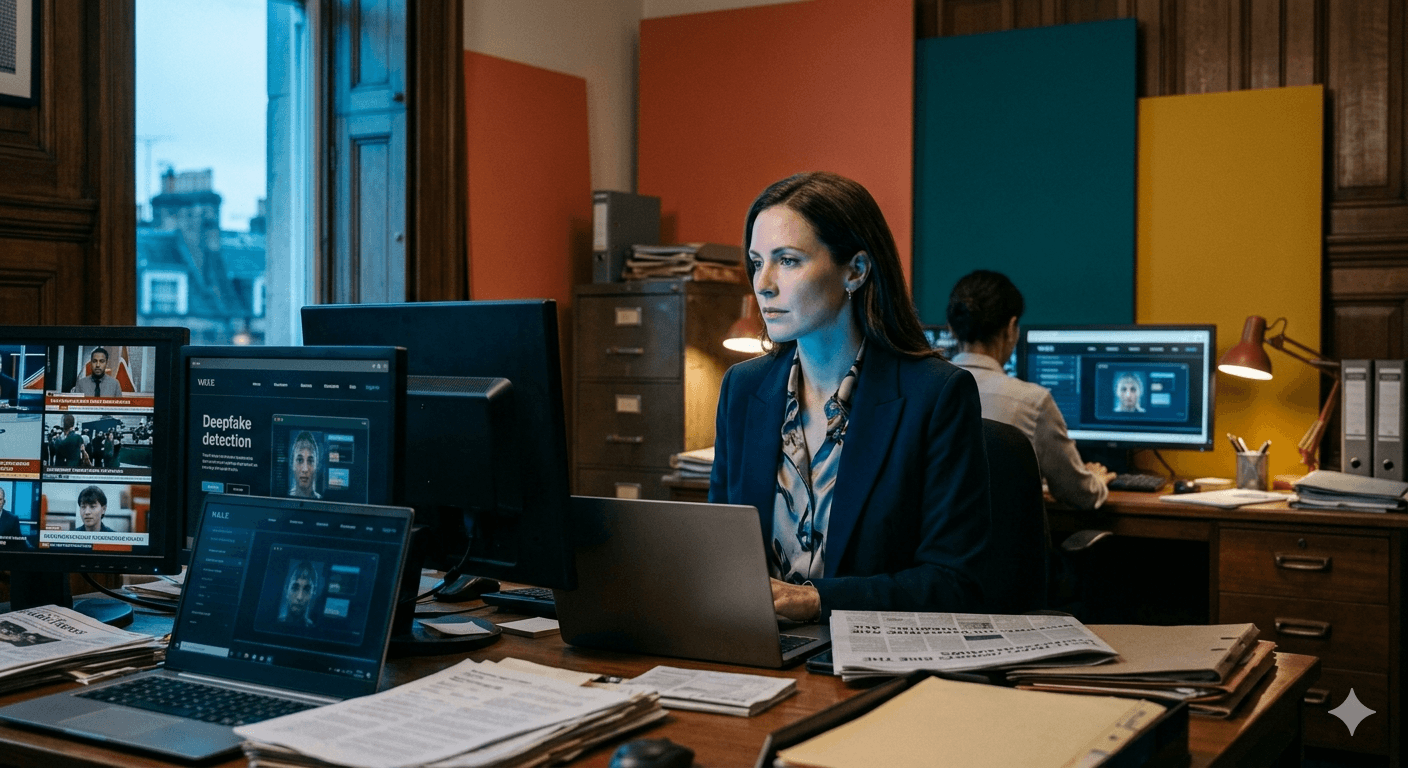
In reality, bad actors do use clever computer programs to create shockingly realistic-looking (but totally fake!) videos or audio, which are often called deepfakes. These can make people believe someone said or did something they never actually did, which is deceptive and sometimes even used to influence big events. Reports from researchers emphasize that automated computer programs (or text bots) can generate tons of persuasive, but false, text really fast, flooding the internet with misleading messages.
So, amidst all these conflicting stories, how can we know what’s true?
Getting better at being a smart internet detective is essential. Before sharing any shocking claim – whether it’s about AI doing something crazy or someone saying AI did something crazy – try these two simple checks.
First, see where the story came from – is it a reputable news place or just some random website you’ve never heard of?
Second, try searching for the same story from other trusted sources to see if they are reporting it too. And don’t be afraid to think critically. Sometimes, if a video or photo looks too unbelievable, it just might be. Learning to cross-check information is a powerful skill online.
It was directly out of this exact landscape of digital doubt – where tricky AI tools create real risks, and misleading reports about those risks create even more confusion – that my project Authenix came to life, dedicated to bringing clarity to the online world.
Ai has a lot of good potential. But it depends on how we use it, and what for.
Learn more
Discover more from the latest posts.